
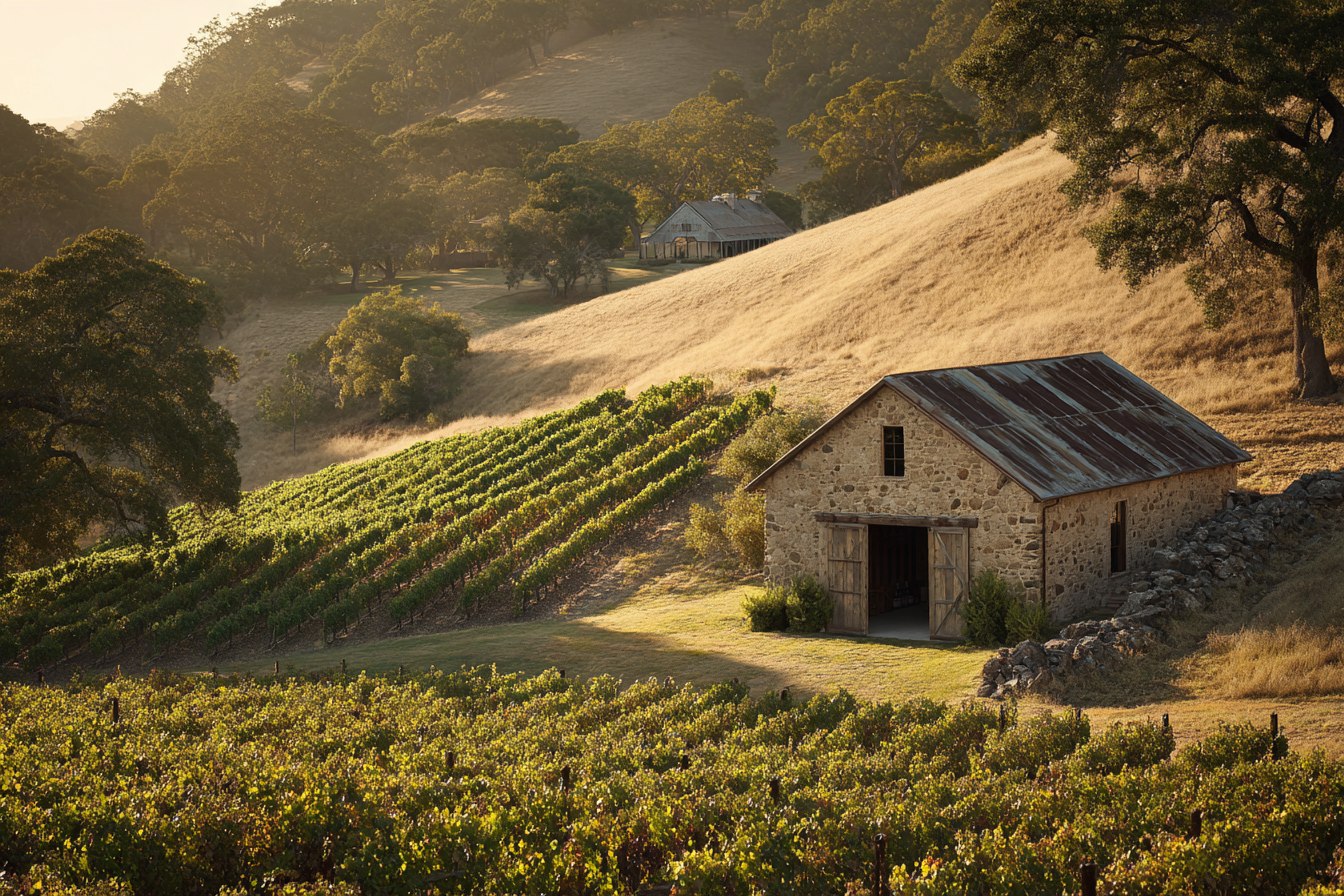
The vines
A vineyard is a living asset with a tax life of its own. The cost of establishing vines is generally capitalized through the years before they bear fruit and recovered once they produce, although some smaller growers are exempt and others can elect out. Every purchase of planted ground also carries a quieter question: how much of the price belongs to the land, the vines, the equipment or a brand, because each is treated differently. The same row is an asset, a cost and an allocation question, depending on the year you ask.
The land, held in a family partnership
The ground is held apart from the business that farms it, in a partnership the family controls. Held that way, the land can carry decisions of its own, including, for some families, a conservation easement that permanently gives up the right to develop it.
A deduction for an easement rests on specific requirements: a permanent restriction on real property, given to a qualified land trust or government body, for a recognized conservation purpose such as preserving farmland or open space, supported by a qualified appraisal. Since the end of 2022, an easement given through a partnership or S corporation generally does not qualify at all if the amount claimed exceeds two and a half times the owners’ relevant basis, a specially defined owner-level basis amount. The rule has three exceptions: property and interests held at least three years, entities held substantially by one family, and certified historic structures.
The winery, an S corporation
The building and the business inside it are deliberately a different taxpayer from the ground. The operating company leases the land from the family partnership, and that lease brings rules about how rental income and operating losses interact. Owner pay, the pass-through deduction and equipment decisions all live here, inside the entity built to run, hire and one day be sold or passed on without disturbing the land.
The barrels, where tax waits
What it costs to make the wine, from fruit and labor to the barrels’ own depreciation, is not deducted when it is spent. It is capitalized into the wine and waits, becoming cost of goods sold only when a bottle sells, sometimes years after the harvest that made it. Smaller producers may qualify for simpler methods. Either way, this year’s spending and this year’s income can belong to different vintages entirely.
The family, the reason for the map
Partnership interests given across generations, a trust holding some of them, an estate plan the easement supports: the family is where the business map becomes the family’s map. The entities exist to hold and pass on what the family built.
Reading your own map
Alder Ridge is a way of seeing, not a structure to copy. It shows the kind of map worth drawing for any family with land, a business and more than one generation: who owns each asset, which entity runs the business, who reports each item and who decides. Once the map exists, the tax questions become visible, and so do the professionals who answer them: counsel for the documents, appraisers for values, and our team for how it all comes together on the returns.
Sources
- 26 U.S.C. § 263A, Capitalization and inclusion in inventory costs ↗
- IRS Publication 225, Farmer’s Tax Guide ↗
- IRS, About Form 8594, Asset Acquisition Statement ↗
- 26 U.S.C. § 170, Charitable contributions (including subsection (h)) ↗
- IRS, Conservation easements ↗
- IRS Publication 925, Passive Activity and At-Risk Rules ↗
- 26 U.S.C. § 471, General rule for inventories ↗
Start with your own map.
Tell us about the land, the business and the people involved, and the decision coming up. We can talk through the tax questions it raises and where to begin.
Contact our team